Security Smart Home Systems – The Ultimate Guide for 2026
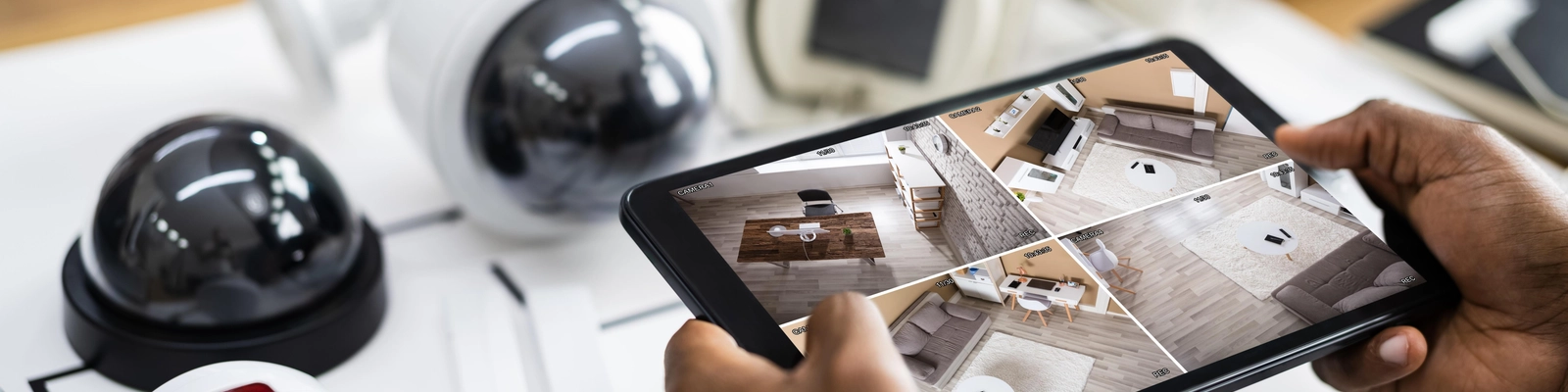
In the age of smart technology, home security is smarter than ever. Security smart home systems combine surveillance cameras, smart locks, motion sensors, alarms, and mobile apps to protect your home and family. This guide explores how smart security works, why it matters, and how to choose the right system for your needs.
What Is a Security Smart Home System?
A security smart home system is an integrated solution that combines physical security devices with software and automation. Key components often include:
- • Smart cameras for indoor and outdoor monitoring
- • Smart locks and access control for doors and gates
- • Motion sensors and alarms to detect intrusions
- • Mobile apps and notifications to monitor your home remotely
- • Integration with smart assistants like Alexa or Google Home
The goal is to enhance safety while offering convenience, control, and peace of mind.
Benefits of Smart Home Security Systems
Real-Time Monitoring
Receive instant alerts on your phone if unusual activity is detected, no matter where you are.
Automation & Control
Lock doors automatically, arm alarms remotely, or schedule lights and cameras for added protection.
Deterrence Against Intruders
Visible cameras and smart locks reduce the risk of burglary and unwanted access.
Easy Integration
Modern systems connect seamlessly with other smart home devices, creating a complete home automation ecosystem.
Challenges of Security Smart Home Systems
While these systems are powerful, they come with challenges:
- Internet dependency: Most smart systems require Wi-Fi; outages may affect monitoring.
- Complex setup: Some systems may need professional installation for optimal performance.
- Privacy concerns: Cameras and smart devices can pose risks if not properly secured.
- Cost: Advanced systems with multiple devices can be expensive upfront.
Being aware of these challenges ensures you make informed decisions.
Learn More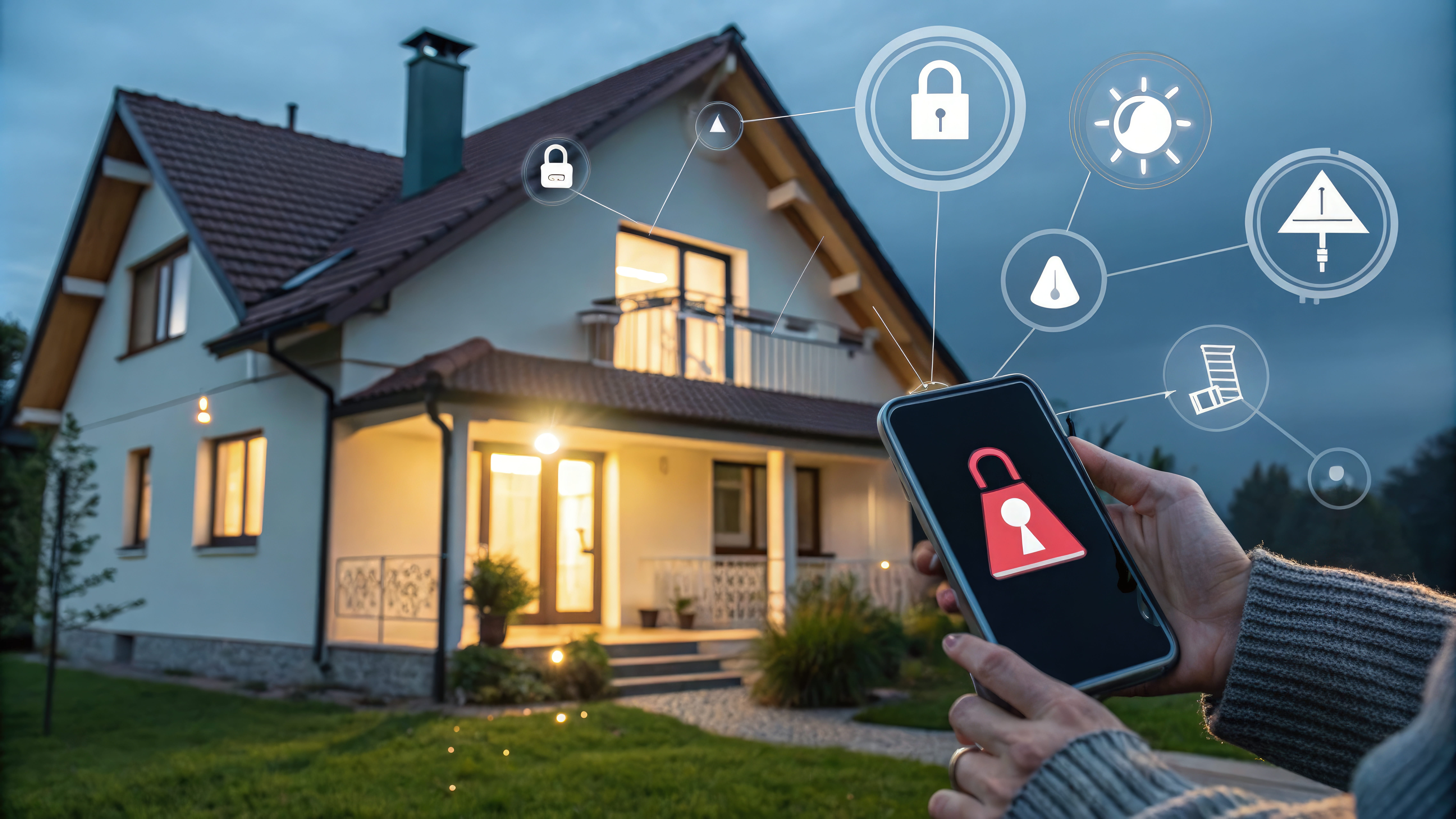
Tips for Choosing the Right Smart Security System
- Assess your home needs: Consider the size of your property, number of entry points, and high-risk areas.
- Check compatibility: Ensure devices work with your existing smart home ecosystem.
- Consider DIY vs. professional installation: Professional setup may be worth it for larger or more complex systems.
- Evaluate remote monitoring features: Choose systems that allow real-time alerts and mobile control.
- Prioritize reliability and support: A trusted brand with good customer service can save time and stress.
Future of Smart Home Security
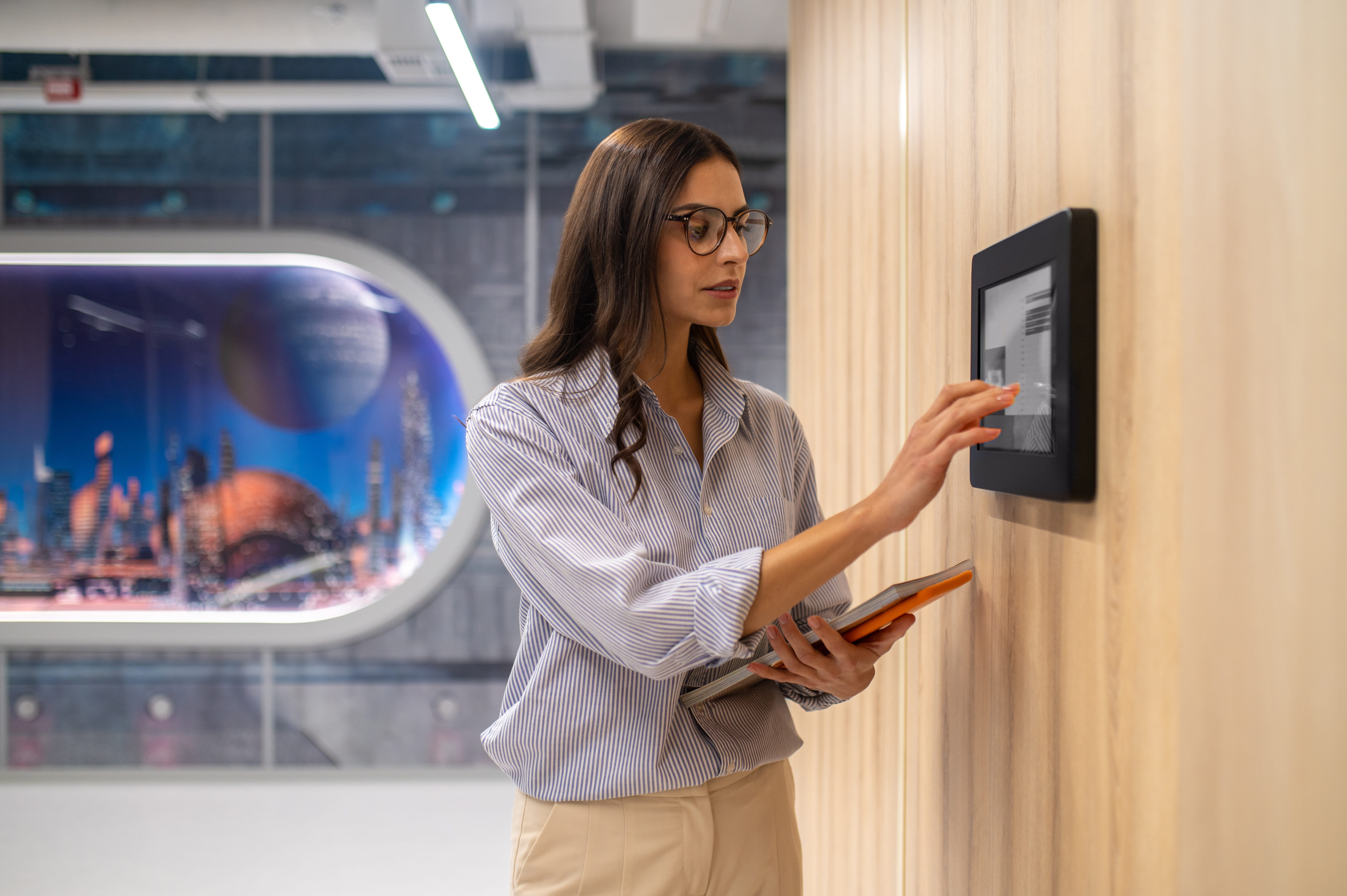
With AI-powered cameras, facial recognition, and predictive analytics, smart home security is becoming more intelligent. The next generation of systems will focus on proactive safety, reducing false alarms, and seamlessly integrating with other smart devices to create a truly connected and secure home.
Smart Home Fixer covers smart lighting, home automation gadgets, and practical setup guides to help you get the most out of your connected home.
Frequently Asked Questions (FAQs)
Smart systems offer remote monitoring, automation, app notifications, and integration with other smart devices, whereas traditional alarms are often manual and locally controlled.
Yes. Most modern smart home security systems allow you to monitor cameras, control locks, and receive alerts via mobile apps.
Many systems are designed for DIY installation, but professional setup may be recommended for larger homes or more advanced devices.
Smart sensors use motion detection, AI analytics, and customizable settings to minimize false alarms caused by pets or environmental factors.
Costs vary depending on the number of devices, features, and installation requirements. While initial investment may be higher than traditional systems, automation and remote monitoring add long-term value.